
A GIFT FOR YOU CO., LTD
- All
- Product Name
- Product Keyword
- Product Model
- Product Summary
- Product Description
- Multi Field Search
 English English
 Views: 0 Author: Site Editor Publish Time: 2025-12-05 Origin: Site


Think green tea is caffeine-free? Think again. Leaf type, brewing, and Tea Cups quietly change how much you drink. In this article, you’ll learn typical caffeine ranges, key factors, and how GIFT A2Z helps you choose smarter.
Green tea is not caffeine-free; a standard 8-oz cup usually holds around 30–50 mg of caffeine, while powdered teas like matcha can be much higher. The real amount in your Tea Cups depends on leaf grade, brewing style, and whether you drink bagged, loose-leaf, or powdered tea.
Brewing variables matter as much as tea type. Hotter water, longer steeping times, and smaller leaf particles all pull more caffeine into the drink, while cooler water and shorter steeps keep levels lower.
Green tea usually has less caffeine than coffee, energy drinks, and strong black teas, but the gap shrinks once you move from 8-oz lab servings to 12–16-oz everyday mugs. If your usual cup is oversized, your total caffeine may approach that of a small coffee.
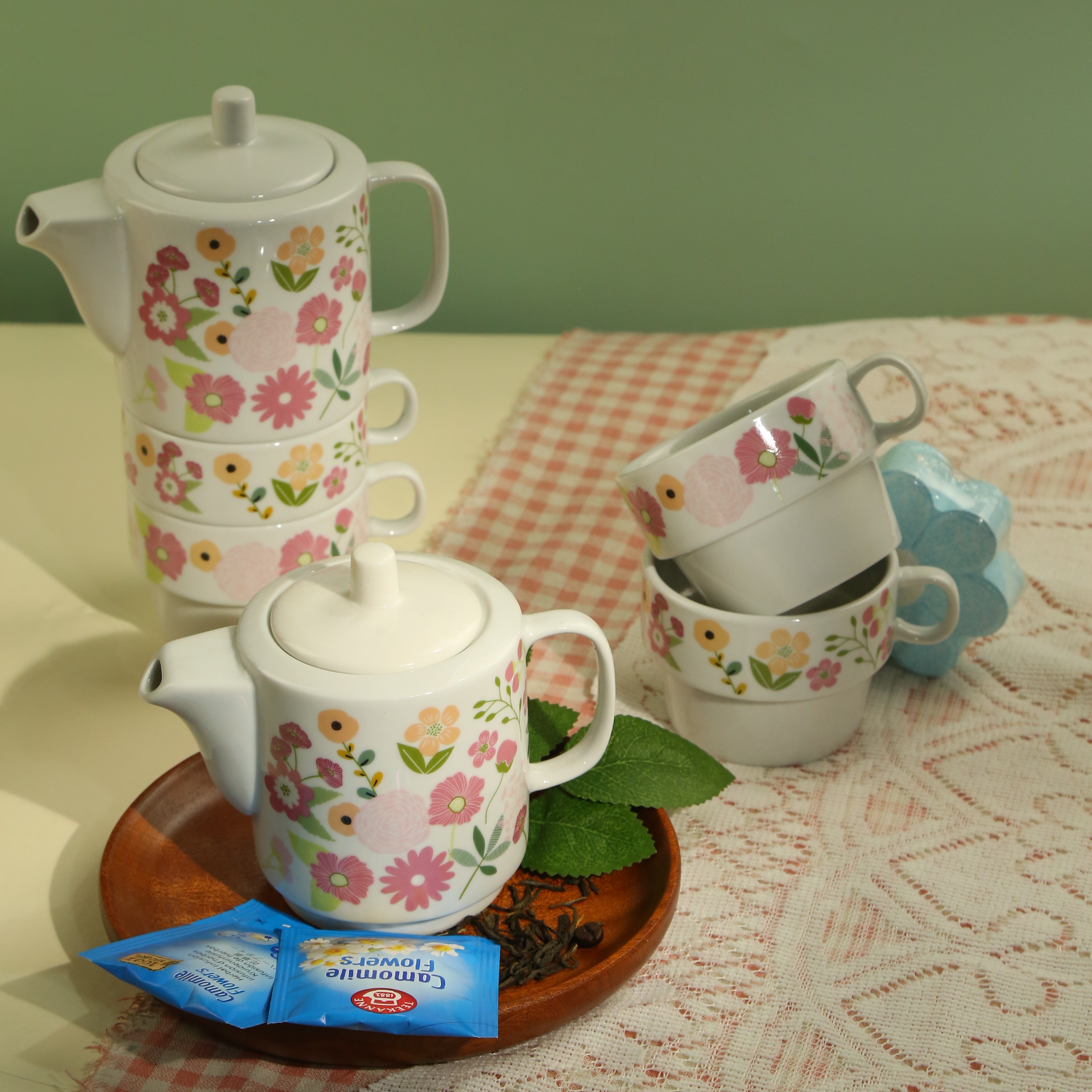
Most readers first want a number. For a standard 8-oz serving, brewed green tea typically contains around 30–50 mg of caffeine. This is much less than a similar cup of coffee but enough to sharpen focus and mood for many drinkers. The exact amount in your Tea Cups depends on plant variety, leaf age, processing, and how you brew it.
Most classic brewed green teas fall between 30–50 mg of caffeine in an 8-oz cup. Natural differences in leaf chemistry and small changes in brewing explain the variation. Hotter water and longer steeping pull out more caffeine, while cooler water and shorter times keep it lower. Brand choices also matter, as some blends rely on younger, more caffeine-rich leaves.
Matcha and other powdered green teas usually deliver more caffeine per cup than standard brewed teas. With loose-leaf or bagged tea, you infuse and remove the leaves, so you only drink a portion of their caffeine. With matcha, you whisk the powder into water and consume the whole leaf.
Tea bags often extract caffeine faster than whole loose leaves. The leaves are broken into small particles, often called “fannings” or “dust,” which greatly increase surface area. Hot water can reach and extract caffeine and flavor compounds more quickly, so even short steeps give a strong, brisk cup in your Tea Cups.
Young buds and top leaves usually contain the most caffeine, while older, larger leaves carry less. Premium green teas often lean on young leaves, which taste vivid and feel more stimulating. Everyday and stem-based teas may mix in older leaves or twigs, leading to milder cups.
This simple leaf-age pattern explains why some teas wake you up quickly and others feel very soft. The table below summarizes it:
| Leaf Age | Relative Caffeine Level | Example Green Teas |
|---|---|---|
| Buds / very young leaves | Highest | Gyokuro, many matcha bases |
| Young to mid leaves | Moderate to high | Sencha, Dragonwell |
| Older leaves | Moderate to low | Bancha |
| Stems / twigs | Lowest | Kukicha, some Hojicha blends |
GIFT A2Z uses this when building mixed tea collections, balancing bud-heavy teas with roasted or stem-based teas to create a natural caffeine ladder in one gift box.
Water temperature and steeping time directly control how much caffeine leaves the leaf. Hotter water speeds extraction, and longer contact times pull more caffeine and more bitter tannins into the cup. A large part of total caffeine often comes out in the first one to two minutes, with smaller gains after that.
Serving size quietly multiplies caffeine. Most lab numbers assume 8 oz (about 237 ml), but many home and office Tea Cups and mugs are 12–16 oz. If you brew at the same strength and fill a larger container, your total caffeine rises in step.
| Tea Cups Volume | Approximate Caffeine (assuming 40 mg per 8 oz) |
|---|---|
| 8 oz | 40 mg |
| 10 oz | 50 mg |
| 12 oz | 60 mg |
| 16 oz | 80 mg |
A single 16-oz mug can match two small research cups. GIFT A2Z encourages brands and corporate buyers to show realistic serving visuals so people know what “one cup” truly means.
Here is a fast overview of common green teas and their typical caffeine ranges per 8-oz serving:
| Tea Type | Avg Caffeine per 8-oz Cup | Notes |
|---|---|---|
| Loose-leaf green tea | 30–40 mg | Gentle to moderate; varies by brand |
| Tea bag (green) | 35–50 mg | Faster extraction; often slightly stronger |
| Matcha (powdered) | 60–70 mg | Whole leaf intake; more intense effect |
| Genmaicha / Hojicha | 5–20 mg | Roasted or blended; much lower caffeine |
| Stem teas (e.g., Kukicha) | 10–25 mg | Mainly stems and twigs |
GIFT A2Z often mixes these types inside one box so recipients can move smoothly from high to low caffeine throughout the day.
Green tea caffeine levels reflect a chain of choices from field to cup: plant variety, growing style, processing, and finally brewing. Once the tea reaches your kitchen, your water, timing, and Tea Cups size add a final layer. Knowing these levers helps you predict how a tea will feel before you brew it.
Some tea cultivars naturally hold more caffeine than others. Shade-grown teas like Gyokuro and matcha bases often accumulate more caffeine and amino acids, leading to deep flavor and a strong but smooth effect. Sun-grown teas tend to be a bit lighter in both taste and caffeine.
Green tea is stabilized either by steaming or pan-firing soon after harvest. Steamed teas, common in Japan, keep a vivid green color and grassy, umami notes; pan-fired teas, common in China, show nutty or toasty tones. These methods can slightly change how caffeine and other compounds behave when brewed.
Your brewing method can make the same tea feel mild or strong. Tea-to-water ratio, water temperature, steep time, and even how you swirl the tea all affect extraction. Concentrated brewing in a small pot and then pouring into Tea Cups gives a stronger hit; cooler, shorter infusions keep caffeine light.
Whole, unbroken leaves release contents slowly and can be re-steeped; broken leaves and powders release caffeine quickly. That is why tea bags and powdered teas taste and feel stronger in short brews.
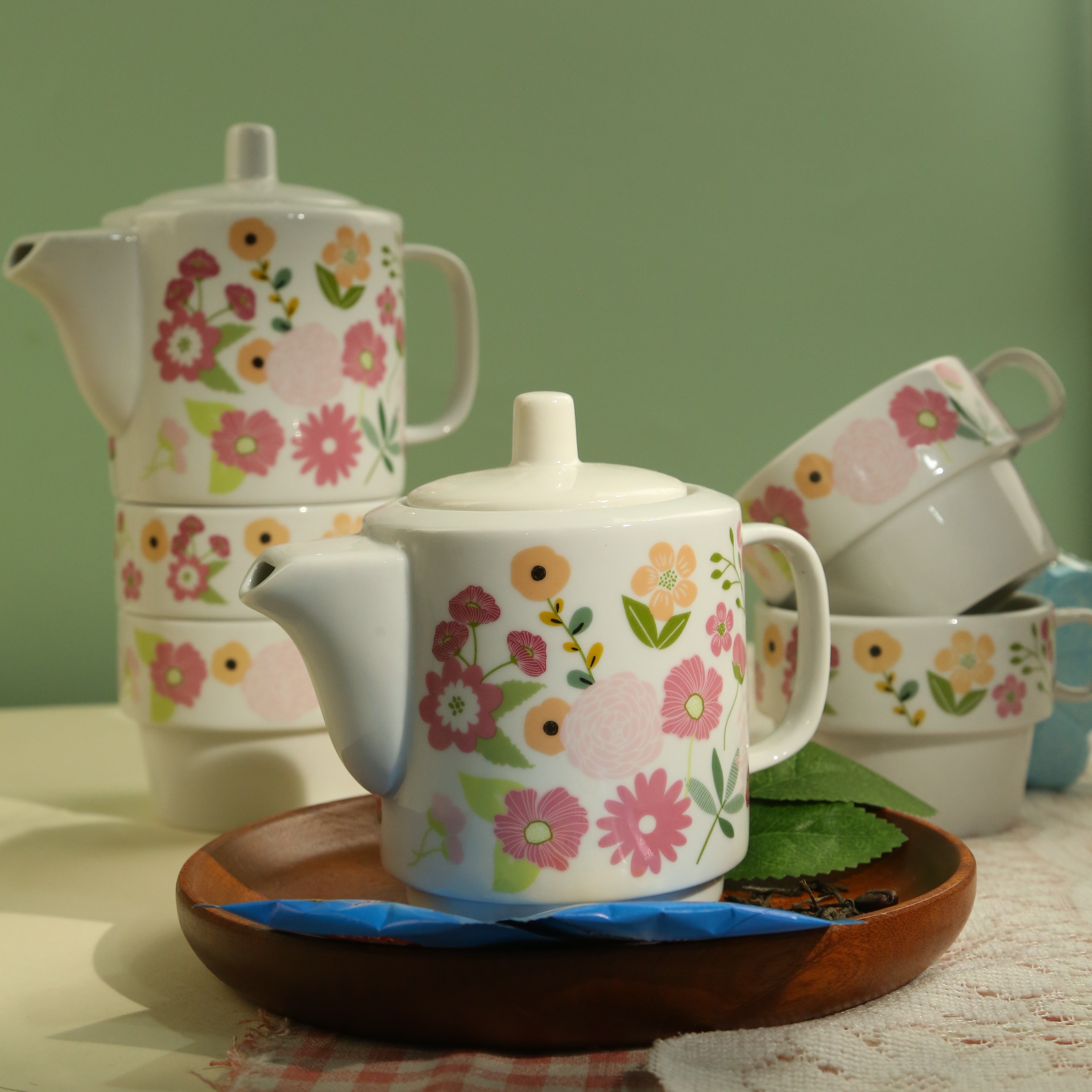
To understand where green tea fits, it helps to compare it to coffee, black tea, soft drinks, and energy drinks. Per 8-oz serving, green tea usually contains less caffeine than coffee and energy drinks, and is often slightly lower than strong black tea. However, big Tea Cups narrow that gap.
An 8-oz brewed coffee commonly carries 100–200 mg of caffeine, while an 8-oz green tea holds about 30–50 mg. That means coffee can have two to four times more caffeine per equal volume. For people wanting to cut back without going decaf, swapping one coffee for one or two green teas is a practical step.
Black and green tea share the same plant but differ in processing and average caffeine. Black tea often lands around 40–70 mg per 8 oz, and green tea around 30–50 mg. On average, black tea is somewhat stronger, but overlaps strongly with stronger green teas.
Energy drinks range widely, often between 72 and 250 mg per 8-oz serving and include sugar and other stimulants. Colas commonly provide around 23–37 mg in a 12-oz can. Green tea at 30–50 mg per 8 oz sits in the middle, offering stimulation without such extreme peaks.
Large bottles and cups can hide high caffeine totals in any drink. Green tea still requires attention, especially in large Tea Cups, but its slower, more mindful sipping rhythm usually supports more stable energy. GIFT A2Z works with wellness brands to swap some sugary drinks for green tea kits as a smoother alternative.
To summarize:
| Beverage Type | Typical Caffeine per 8 oz | Notes |
|---|---|---|
| Brewed coffee | 100–200 mg | Strongest everyday drink for many people |
| Espresso (1–2 oz) | 60–120 mg | Very concentrated; smaller volume |
| Green tea | 30–50 mg | Moderate; smoother effect |
| Black tea | 40–70 mg | Slightly stronger than most green teas |
| Soft drinks | 23–37 mg (per 12 oz) | Often combined with sugar |
| Energy drinks | 72–250 mg | High dose and other stimulants |
Many people say green tea feels smoother and clearer than coffee, even when caffeine amounts are similar. L-theanine, an amino acid in tea, likely plays a key role. It promotes calm alertness and seems to soften caffeine’s harsh edges.
For most healthy adults, green tea caffeine is safe within reasonable limits. Health authorities usually suggest staying below about 400 mg of caffeine per day from all sources. With 30–50 mg per 8-oz cup, several moderate green teas fit into that limit, but coffee, soda, and chocolate add on top.
Around 400 mg per day is a widely cited safe ceiling for adults. This total includes all coffee, tea, energy drinks, soft drinks, and even some medications. If your average green tea is 40 mg per 8-oz cup, ten such cups would reach that limit, but most people also consume other sources.
With 30–50 mg per 8-oz serving, about 8 cups of green tea could cluster near 400 mg. Larger 12–16-oz Tea Cups hit that threshold much sooner. Four giant mugs of strong green tea can equal or exceed a full day’s suggested limit.
Certain groups should be especially careful: pregnant or breastfeeding people, those with anxiety or panic disorders, and individuals with some heart conditions. Their safe limit may be much lower, and caffeine can worsen symptoms.
Too much caffeine can trigger a racing heartbeat, shaky hands, anxiety, restlessness, and sleep problems. Some people also notice stomach upset or frequent urination. These effects can build up over a day of refilling Tea Cups without tracking totals.
You can actively shape caffeine in each cup by changing how you brew. Water temperature, steeping time, tea quantity, and Tea Cups volume all act like dials. That turns green tea into a flexible tool rather than a fixed product.
To reduce caffeine, use cooler water—around 150–175°F (65–80°C)—and shorten steeping time to 30–60 seconds, especially with tea bags or fine leaf. This still extracts flavor but slows caffeine release.
If you need more energy, use hotter water just off the boil and steep a bit longer, around 2–3 minutes, with a generous tea dose. Tea bags and small-cut loose teas will extract fastest.
Powdered teas like matcha give the strongest effect because you drink the entire leaf. A small bowl or Tea Cup of matcha can replace a coffee. GIFT A2Z’s “focus” boxes frequently feature matcha and shade-grown teas, with clear instructions for best performance.
Changing cup size is a simple control. If you tend to feel wired, switch from a large mug to a smaller Tea Cup while keeping the same brew strength. Your per-serving caffeine drops even though the experience remains satisfying.
Cold brewing green tea in cool water for several hours naturally limits caffeine and bitterness. The result is smooth, slightly sweet tea that feels gentle and refreshing. Many people enjoy cold brew throughout hot days.
Some green teas are naturally strong, and others are built to be soft. Knowing where each tea sits helps you plan your day: high-caffeine teas for early tasks, medium teas for midday, and low or decaf teas for late hours.
Matcha and Gyokuro sit near the top for caffeine. Matcha is powdered and consumed whole; Gyokuro is shade-grown from young leaves, which store more caffeine. Both feel rich and focused rather than harsh when brewed well.
Sencha and Dragonwell represent moderate, everyday caffeine. They provide enough lift for regular tasks without usually causing jitters. Brewed gently, they are easy to drink multiple times per day.
Hojicha, Genmaicha, and Kukicha sit on the low side. Roasting and the use of stems or rice dilute the leaf caffeine. These teas are warm, comforting, and easy on sleep. Served in cozy Tea Cups, they fit perfectly into late-afternoon and evening routines. GIFT A2Z highlights them in “evening comfort” and “family-friendly” sets.
Decaf green tea offers flavor with minimal caffeine. CO₂-based methods remove most caffeine while keeping much aroma. Decaf suits those who love tea rituals but must avoid stimulants. Decaf is not fully caffeine-free but is far lower than regular teas. GIFT A2Z clearly labels decaf and often pairs it with herbal blends in “caffeine-sensitive” collections.
Choosing green tea means matching flavor and caffeine to your day. Some people want a strong start and a soft landing; others need low caffeine all day. By combining tea types, brewing styles, and Tea Cups sizes, you can design a personal green tea pattern that feels good and sustainable.
For mornings, matcha and Gyokuro provide a strong yet smooth lift. Their higher caffeine and L-theanine content support alertness without the harsh crash many people feel from large coffees. A small serving can be enough.
For general daytime drinking, Sencha offers a balanced option. Its moderate caffeine works for work or study, and its flavor pairs well with food. You can brew it light or stronger depending on the moment.
Evenings call for flavor without stimulation. Hojicha and decaf green teas answer that need, offering warmth and comfort with low or minimal caffeine. In soft Tea Cups, they make an ideal end-of-day companion.
For deep-focus work, the caffeine and L-theanine combo in green tea really shines. It supports calm, steady attention for hours. Several modest cups spaced across the day can maintain a productive rhythm.
Green tea offers gentle energy that varies by type, brew, and Tea Cups size. You can adjust caffeine through water, time, and leaf choice for steady focus. Matcha feels stronger, while roasted teas stay mild. GIFT A2Z uses this insight to create thoughtful tea sets that balance flavor and comfort, helping you enjoy each cup with confidence.
A: Most 8-oz servings contain about 30–50 mg, though Tea Cups larger than this can increase total intake.
A: Leaf grade, brewing time, and Tea Cups size all change how much caffeine is extracted.
A: Yes. Matcha averages 60–70 mg per cup because you consume the whole leaf.
A: Use cooler water, shorten steeping time, or switch to smaller Tea Cups.
A: Yes. Roasted or stem teas like Hojicha and Kukicha offer much gentler levels.
