
A GIFT FOR YOU CO., LTD
- All
- Product Name
- Product Keyword
- Product Model
- Product Summary
- Product Description
- Multi Field Search
 English English
 Views: 0 Author: Site Editor Publish Time: 2025-12-15 Origin: Site


Does espresso truly hold the most caffeine? Many people think so. But a single shot often has less than regular coffee. Your Espresso cups, shot count, and brew style all change the real amount. In this article, you will learn how much caffeine is in each cup and why it varies.
Espresso is concentrated, but a single shot has less total caffeine than a full 8 oz drip coffee. Its intensity comes from density and fast consumption.
Most Espresso cups contain two shots, making a drink’s caffeine closer to 120–150 mg rather than the 60–70 mg found in a single shot.
Real-world measurements vary widely, with caffeine per shot ranging from 25–200+ mg depending on beans, grind, roast, and machine calibration.
Different brands show different caffeine values, even for drinks with the same name, due to blend choices and machine settings.
Healthy adults can consume up to 400 mg/day, but sensitive groups should limit intake and track how many shots each drink contains.
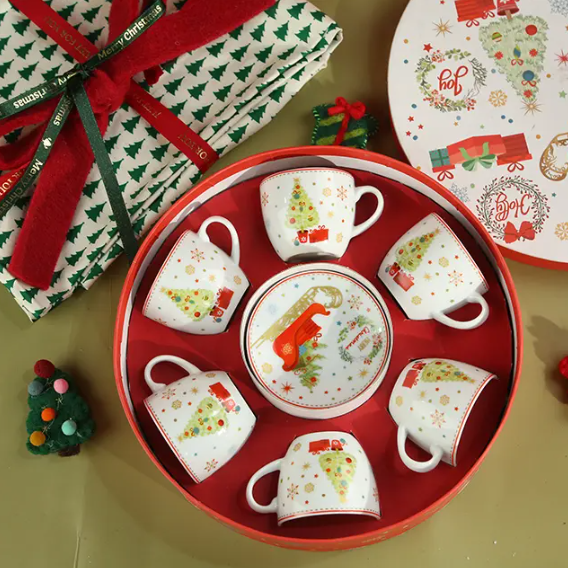
To answer this question, we must distinguish between a shot and a cup. Espresso shots are standardized in theory but vary widely in practice. Most Espresso cups today hold more than one shot, so total caffeine depends on how many shots are used. This section clarifies average values, scientific variability, and realistic expectations when ordering espresso from cafés or using home machines.
Most nutrition references estimate a 1 oz (30 ml) espresso shot at around 63 mg of caffeine. Starbucks reports 75 mg, while research measurements produce a general range of 60–110 mg. These differences result from variables such as grind, pressure, dose, and bean type. Although 60–70 mg is a practical estimate, true values often fall outside standard ranges. Despite its small size, a shot delivers caffeine quickly, giving espresso its strong reputation.
| Source / Method | Volume | Approx. Caffeine |
|---|---|---|
| USDA Standard | 1 oz | ~63 mg |
| Starbucks | 1 oz | ~75 mg |
| Scientific Study Range | 1 oz | 60–110 mg |
| Outlier Measurements | 1 oz | 25–214 mg |
Espresso’s strength comes from concentration, not quantity. Because it is consumed in one or two sips, caffeine enters the bloodstream quickly, creating a fast onset of alertness. Drip coffee may contain more caffeine overall, but it is usually sipped slowly, producing a milder rise in energy. The intense flavor of espresso also influences perception, making the drink feel stronger than its caffeine content suggests.
Scientific sampling of espresso from cafés shows extreme variation. Studies report single shots ranging from 25 mg to over 200 mg, depending on beans, grinder settings, barista technique, and extraction time. Machines that are poorly calibrated or use inconsistent doses produce shots with unpredictable caffeine levels. Blends containing Robusta beans typically measure on the higher end due to Robusta’s naturally higher caffeine content.
Modern Espresso cups often contain multiple shots. A double shot (doppio) has roughly twice the caffeine of a single, though actual totals vary with extraction efficiency. Triple and quad shots increase caffeine proportionally and are common in large lattes or iced drinks. Because many cafés use two shots as the default, customers may consume far more caffeine than expected without realizing it.
| Number of Shots | Approx. Caffeine | Common Uses |
|---|---|---|
| 1 Shot | 60–70 mg | Small Espresso cups |
| 2 Shots | 120–140 mg | Lattes, cappuccinos |
| 3 Shots | 180–210 mg | Large iced drinks |
| 4 Shots | 240–280 mg | Energy-demanding needs |
When comparing by ounce, espresso is the most caffeine-dense coffee beverage. However, an 8 oz drip coffee typically contains 90–120 mg, which is higher than most single espresso shots. This distinction is essential for customers who assume strong taste equals high caffeine. In reality, serving size—not taste—is the primary driver of total caffeine intake.
Brewing method determines concentration, but serving size determines total caffeine. Someone who drinks a single shot consumes far less caffeine than someone who drinks multiple Espresso cups with two or three shots each. Milk, foam, or water affects flavor and volume but never changes caffeine content. Counting shots is the only reliable way to track intake.
Caffeine levels in espresso depend on bean type, roast, grind, extraction time, and machine performance. Even small adjustments—such as altering grind size by a single notch—can significantly change extraction efficiency. In cafés, shifts in humidity, grinder temperature, or water composition can influence consistency. Understanding these factors explains why espresso from different locations often tastes and measures differently.
Arabica beans produce smoother flavors and contain less caffeine. Robusta beans, by contrast, contain nearly twice as much caffeine and create thicker crema. Many espresso blends use a ratio of Arabica and Robusta to balance taste and caffeine strength. Knowing the bean composition helps predict how strong a shot will be, especially in high-volume café settings.
Light roasts generally retain more caffeine by weight because they undergo less expansion and moisture loss. Dark roasts taste stronger but contain slightly less caffeine per gram. However, many baristas measure coffee by volume rather than weight, minimizing practical differences. Roast level affects flavor more than caffeine, but it still influences consumer perception of drink strength.
A fine grind increases surface area and boosts extraction, while a coarse grind reduces caffeine release. Extraction times outside the typical 25–30 second window change caffeine yield and flavor balance. Under-extracted shots often taste sour and contain less caffeine, while over-extracted shots may be bitter with slightly raised caffeine levels. Maintaining stable grind and extraction settings is essential for consistent Espresso cups.
Espresso machines use pressure—usually about 9 bars—to extract caffeine efficiently. Temperatures below the ideal range cause weak extractions, while overly high temperatures extract undesirable compounds. Baristas rely on machine stability to produce predictable caffeine levels, but small calibration shifts can cause large differences. Regular maintenance keeps extraction parameters consistent.
Higher coffee doses naturally increase caffeine content. Shot volume also affects caffeine levels: ristretto shots extract less caffeine, normale shots extract moderate amounts, and lungos extract slightly more. Standardizing dose and volume ensures consistent caffeine levels across Espresso cups, especially in multi-location cafés.
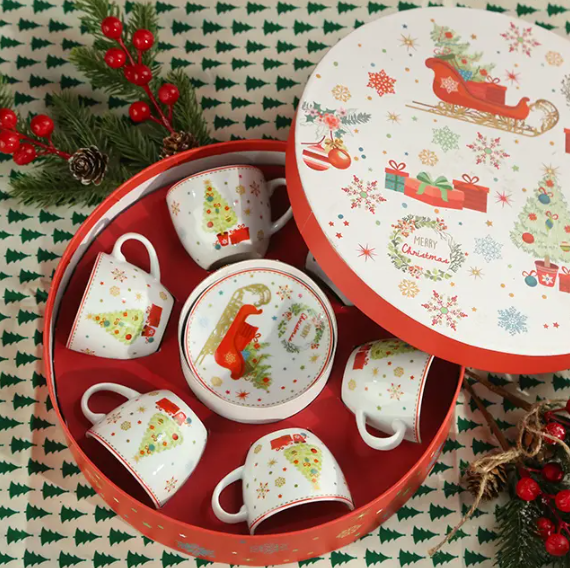
Espresso cup size influences presentation, heat retention, and customer expectations. Although the vessel does not change caffeine content, it affects how many shots a drink contains. Larger cups often lead baristas to include more milk and more shots, increasing total caffeine. Understanding cup sizes helps consumers evaluate drink strength more accurately.
Traditional demitasse cups hold 1–2 oz for single or double shots. Larger 3–4 oz Espresso cups accommodate small milk drinks or double shots. Many cafés now use 6–12 oz vessels to support lattes, flat whites, and extended drinks. Regardless of cup size, the caffeine depends entirely on shot count, not the amount of milk or water added.
Cup size only affects fluid distribution, not caffeine content. A single shot remains a single shot whether poured into a tiny demitasse or a large mug. Customers sometimes assume larger cups equal stronger coffee, but the caffeine remains static unless additional shots are added. This distinction must be communicated clearly to avoid misunderstandings.
Ristretto shots use less water, producing a sweeter, more intense flavor with slightly less caffeine. Normale shots balance extraction and flavor and represent the standard espresso profile. Lungos have more water and may extract slightly higher caffeine but also more bitterness. These variations help baristas tailor drinks without changing bean selection or cup size.
Many consumers misunderstand how espresso is measured. A “cup of espresso” may hold two or more shots, creating large variation in caffeine levels. Milk-based drinks like cappuccinos and lattes typically include double shots by default. Measuring caffeine by shot count, not drink name or cup size, helps customers track intake more accurately.
Different brands publish caffeine values based on their bean blends, machine settings, and serving sizes. Capsule systems provide more consistency because each pod contains a fixed coffee dose. Traditional cafés experience greater variability due to human factors and equipment behavior. Understanding brand differences helps consumers choose drinks that match their caffeine needs.
Brand caffeine values differ based on bean composition and extraction style. Starbucks tends to produce stronger shots due to larger doses. Dunkin’ uses slightly milder espresso. Capsule systems like Nespresso deliver consistent dosing, while Italian brands like Illy and Lavazza focus on balanced blends. These variations help explain why espresso tastes different from place to place.
| Brand | Approx. Caffeine (Per Shot) | Consistency |
|---|---|---|
| Starbucks | ~75 mg | Medium–High |
| Dunkin’ | 70–80 mg | Medium |
| Nespresso | 60–65 mg | Very High |
| Illy | 60–70 mg | High |
| Lavazza | 60–80 mg | Medium |
Even major chains experience variation due to grinder sharpness, water mineral content, staff technique, and machine calibration. Daily environmental changes—like humidity—also affect extraction. Although published values serve as useful references, they cannot guarantee absolute precision. Regular calibration reduces variability but cannot eliminate it entirely.
Instant espresso offers convenience but generally yields lower caffeine unless a large amount of powder is used. Machine-pulled espresso produces richer flavor and higher extraction efficiency due to pressure and temperature control. Instant espresso is ideal for quick preparation or recipes but cannot match fresh espresso’s intensity or complexity.
Decaf espresso contains around 3–15 mg of caffeine because decaffeination removes only 97–99% of caffeine. Multiple decaf shots can add up, especially for sensitive individuals. Decaf offers espresso flavor without a full stimulant effect, but it is not completely caffeine-free. Customers who avoid caffeine entirely should review brand-specific decaf testing results.
Espresso provides cognitive and metabolic benefits when consumed in moderation. However, excessive caffeine may cause jitters, anxiety, or sleep disruption. Evaluating espresso’s health impact requires understanding personal tolerance and recognizing all daily caffeine sources. This section outlines safe limits and special considerations for sensitive groups.
Healthy adults can safely consume up to 400 mg of caffeine daily. This guideline includes all beverages, chocolate, and medication sources. Depending on shot strength, four to five espresso shots usually meet this threshold. Customers who consume multiple Espresso cups must consider all other caffeine sources to stay within safe limits.
Espresso absorption is fast because the beverage is small and concentrated. Most people feel its effects within 20–30 minutes. Peak alertness usually occurs around 45 minutes after consumption. This rapid spike explains why espresso feels more potent than larger coffee drinks even when total caffeine is lower. Timing consumption helps avoid sleep interference.
Pregnant individuals should limit caffeine to around 200 mg/day to minimize risks. Teens and people with anxiety or cardiovascular sensitivities may react strongly to espresso and should consume less. Because many drinks contain two shots, it’s easy to exceed limits unintentionally. Tracking shot count is essential for these groups.
Most adults tolerate two to three single-shot Espresso cups well. However, many café beverages use double shots, meaning customers may already consume 150–200 mg per drink. Drinking multiple specialty beverages in one day may exceed recommendations quickly. Evaluating caffeine intake by counting shots rather than cups improves clarity.
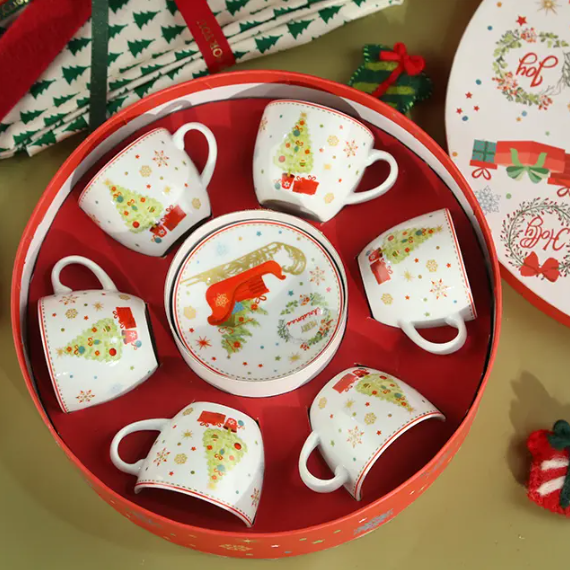
Several myths about espresso persist because customers equate flavor strength with caffeine strength. Understanding the difference between sensory perception and chemical content helps build accurate expectations. This section addresses the most common misconceptions.
Espresso has the highest caffeine concentration per ounce but not the highest caffeine per serving. Drip coffee typically contains more total caffeine because the serving size is larger. Espresso’s intense flavor and fast consumption create the illusion of higher caffeine. Clear communication prevents misunderstandings.
Dark roasts taste stronger but contain slightly less caffeine per gram due to roasting. Light roasts retain more caffeine but taste brighter. The difference is small in practical settings, but understanding it helps customers choose drinks aligned with their caffeine goals. Taste strength does not equal caffeine strength.
Espresso beans are not a separate species. They are coffee beans roasted and blended for espresso extraction. Caffeine depends on bean species and roast, not the label. Blends with Robusta offer higher caffeine, while 100% Arabica blends deliver smoother flavor with lower caffeine. Branding does not change chemistry.
Espresso feels intense because it is consumed quickly, absorbed rapidly, and contains strong bitter compounds. The sensory profile enhances perceived strength. The caffeine effect spikes faster due to concentration. Understanding these factors separates perception from actual caffeine content.
Consumers and cafés can easily adjust caffeine strength through bean choice, roast level, shot style, and mixing options. Understanding these strategies allows for tailored caffeine consumption without sacrificing flavor. This section offers practical control methods for everyday espresso drinkers.
Choosing darker roasts slightly lowers caffeine while enhancing flavor richness. Lighter roasts retain a bit more caffeine and produce brighter flavors. Customers seeking a smoother, lower-caffeine drink should choose darker blends. Those wanting more caffeine can select lighter roasts or blends with Robusta. Adjusting roast level offers mild but meaningful control.
Ristretto shots extract less caffeine and produce a sweeter, more concentrated flavor. Normale shots offer balanced caffeine and flavor. Lungo shots extract slightly more caffeine but introduce more bitterness due to extended contact. These variations allow customers to personalize their drinks without changing beans or cup size.
High-caffeine blends typically contain Robusta or lightly roasted Arabica. Low-caffeine blends use 100% Arabica or darker roasts. Decaf espresso provides espresso flavor with minimal caffeine, usually 3–15 mg per shot. Mixing decaf and regular shots allows for half-caf customization. Bean choice remains the most powerful tool for controlling caffeine.
Milk or water alters volume and texture but does not reduce caffeine. Lattes, cappuccinos, and flat whites contain the same caffeine as the shots used in them. Americanos have the same caffeine as their espresso base despite having larger volume. This principle simplifies tracking: count shots, not milk or water.
A single espresso shot holds about 60–100 mg of caffeine, though real amounts shift with beans and brewing. Many Espresso cups contain two shots, raising the level to 120–150 mg or more. Most adults should stay under 400 mg each day, while sensitive drinkers may need less. By understanding beans, shots, and extraction, people can enjoy espresso with confidence. GIFT A2Z offers crafted coffee cup gift sets that enhance this experience and bring added value to daily coffee moments.
A: A standard shot has about 60–100 mg of caffeine, though Espresso cups with double shots hold more.
A: Espresso cups deliver caffeine quickly because the drink is concentrated and consumed fast.
A: The cup size does not change caffeine per shot, but more shots increase the total amount.
A: Yes, most adults can enjoy espresso daily if total caffeine stays under 400 mg.
