
A GIFT FOR YOU CO., LTD
- All
- Product Name
- Product Keyword
- Product Model
- Product Summary
- Product Description
- Multi Field Search
 English English
 Views: 0 Author: Site Editor Publish Time: 2025-12-17 Origin: Site


Why are Espresso cups bigger than the shot? One ounce feels too small. This guide explains true cup sizes. You will learn how cup design changes heat, crema, and flavor. In the end, you will know which Espresso cups fit your style.
Proper Espresso cups protect heat, aroma, and crema.
Use 2–3 oz cups for single shots and 3.5–4 oz cups for doubles.
Material, shape, and rim design change how espresso tastes and feels.
Rim diameter and interior color affect aroma and visual control.
Measuring your cups lets you match recipes to real serving sizes.
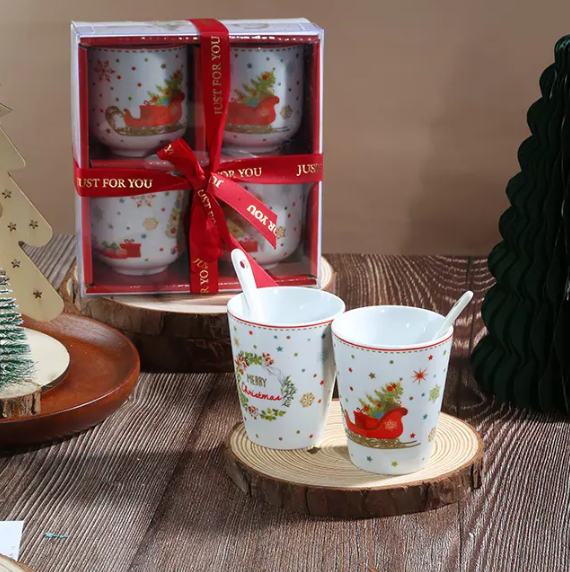
Espresso cups evolved to support both the drink and the ritual around it. A single shot is about 1 oz, but a good espresso cup is usually 2–3 oz for singles and 3.5–4 oz for doubles. That extra space allows room for crema and prevents the cup from feeling full to the edge. It also keeps the shot visually “compact” instead of stretched thin.
| Espresso Type | Liquid Volume | Ideal Espresso Cup Size |
|---|---|---|
| Single Shot | 1 oz | 2–3 oz |
| Double Shot | 2 oz | 3.5–4 oz |
| Ristretto | 0.5 oz | 1.5–2 oz |
| Lungo | 1.5–2.5 oz | 3–4 oz |
A classic single espresso is about 1 fl oz of liquid extracted from roughly 7–9 grams of coffee. Yet, a 1 oz cup would be far too small to serve it well. You need space for crema, breathing room for aroma, and a margin that prevents spills. That is why Espresso cups sized 2–3 oz are considered ideal for single shots.
The extra volume is not a mistake; it is part of the design. Espresso needs room for crema to form and float gracefully on top of the liquid. It also needs space so you can see and smell it before the first sip. If the cup is exactly the same size as the shot, everything looks cramped, and crema can overflow or break.
A double espresso, or doppio, is usually 2 fl oz extracted from about 14–18 grams of coffee. To serve it properly, you need a slightly larger cup in the 3.5–4 oz range. That gives the double enough space to sit comfortably without looking like a puddle. It also leaves room for crema and makes the cup easy to carry without spills.
Crema is the golden layer of foam that floats on top of espresso and carries much of its aroma. Cup size has a direct impact on how that crema behaves. In a cup that is too large, crema spreads out thinly, breaks up, and disappears more quickly. In a smaller, well-proportioned cup, it stays thicker and more centered.
Espresso cools quickly because it has a small volume and a high surface area. A cup that is too large makes this problem worse by exposing more liquid to air. Smaller, thicker Espresso cups reduce heat loss, especially if you preheat them. The less empty space around the liquid, the slower it cools.
An oversized cup makes even a good shot look and feel wrong. When the liquid barely covers the bottom, the espresso looks weak, even if the extraction is perfect. Crema thins out and disappears as it spreads across the wide surface. This also speeds up cooling, which again pushes the flavor toward bitter and flat.
In Italy, tradition favors small porcelain cups sized carefully for 1 oz shots. Most bars serve singles in 2–3 oz cups, pulled and consumed quickly at the counter. American and many international cafés default to double shots, so they lean more on 3.5–4 oz cups as their standard espresso size. Both approaches work, but they support different habits.
Cup material does not change the ounce capacity, but it changes how those ounces feel. Different materials hold heat differently, change the feel in your hand, and even affect how you perceive flavor. A thin glass cup might cool quickly and make the espresso feel delicate. A thick porcelain cup might keep it hot and give a sense of solidity and quality.
Porcelain is the classic choice for Espresso cups in cafés around the world. It retains heat well, distributes temperature evenly, and does not add off-flavors. The walls are thick enough to feel solid but not so heavy that they are uncomfortable to lift. This mix of qualities is hard to beat with other materials.
Glass Espresso cups are popular because they show off the shot. You can see the layers of crema and body, which impresses guests and makes photos look great. However, glass often loses heat faster than porcelain unless it is double-walled. This can make espresso taste cooler and slightly sharper if you sip slowly.
Metal cups, such as stainless steel, can hold heat very well but may feel cold or industrial. Some people also notice a subtle metallic sensation, though good designs try to minimize that. Other ceramics can be heavier and more rustic but perform similarly to porcelain. Disposable cups are practical for events and high-volume takeout, but they rarely control heat and crema as well as proper Espresso cups.
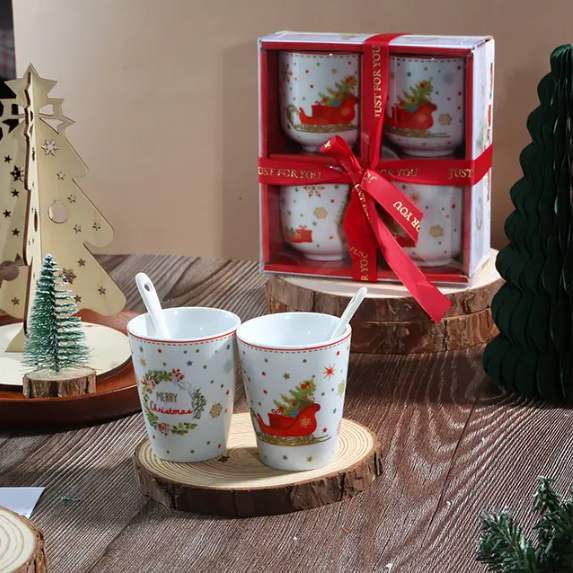
Cup shape affects how espresso sits, moves, and releases aroma inside the same ounce capacity. Two cups may both be 2.5 oz, but one may support a thick crema while the other causes it to break. Shape also changes how easy it is to sip without spills. Because espresso is all about intensity, small changes in shape have big effects.
A tapered bottom directs liquid toward the center of the cup, which helps crema stay thick and focused. The narrower base acts like a cradle for the espresso, concentrating the shot visually and physically. As you tilt the cup, the espresso moves smoothly toward the lip without sloshing. This design has been refined over years of professional use.
A rounded bottom helps espresso flow cleanly and prevents liquid from getting stuck in corners. When the inside surface curves smoothly, the last drops roll naturally toward your lips. This makes the final sip more satisfying and less messy. It also makes it easier to swirl the espresso gently if you want to release aroma.
Square or sharply angular cups stand out visually but can cause problems with espresso. Crema tends to break around sharp corners, leading to an uneven appearance. The corners can also trap liquid, making it harder to drink the last sip smoothly. Even if the cup technically holds the right ounces, it may not behave like a proper espresso vessel.
Rim thickness, rim diameter, and interior color all influence how you experience the same volume of espresso. The rim is the contact point with your lips, so comfort matters. The interior color affects how well you can judge crema and color. Rim diameter changes how aroma escapes or concentrates under your nose.
A thick, rounded rim feels stable against your lips and guides the espresso into your mouth gently. It makes the cup feel strong and less fragile, which is helpful in busy environments. Very thin rims may look elegant but can feel sharp or delicate, especially when the drink is hot. Over time, a comfortable rim design encourages slow, relaxed sipping instead of rushed gulping.
A white interior makes crema color easy to see, which helps baristas and home users judge extraction quality. If the shot looks pale or overly dark against a white background, you know something is off. Dark or patterned interiors hide these clues and make it harder to evaluate espresso visually. They may look stylish, but they sacrifice some control.
Rim diameter controls how wide the surface of the espresso is at the top. A narrower rim keeps the liquid more compact and focuses aroma under your nose. A very wide rim spreads the espresso thin and lets aroma escape too quickly. For small drinks like espresso, you want a rim that is modestly narrow, not as wide as a cappuccino or latte bowl.
Different coffee cultures use different cup sizes and defaults for espresso. Italy focuses on tight, traditional single shots in small cups. American cafés often build drinks around double shots and larger serving vessels. Specialty cafés mix both styles but add precise measurements for consistency. Knowing this context helps you decide which path you want to follow at home.
In Italy, espresso is a quick, focused ritual. A single shot of about 1 oz is served in a 2–3 oz porcelain cup and often consumed in a few sips. The cup size supports that style by keeping the drink hot and visually dense. It also reflects the cultural idea that espresso is a short, intense moment, not something to linger over for a long time.
In many American cafés, a double shot is the default, even for drinks listed simply as “espresso.” This practice influences cup choice heavily. It makes 3.5–4 oz Espresso cups more common than tiny single-shot cups. These slightly larger cups still keep the drink compact but give enough room for a 2 oz shot and crema.
Specialty coffee shops take both volume and weight seriously. They often measure espresso by weight in grams to control brew ratios and extraction. A barista might aim for 18 g of ground coffee and 36 g of espresso liquid, for example. Even then, they still serve that liquid in cups sized correctly in ounces.
If you already have cups, it is easy to find out their true capacity. Manufacturers’ labels are not always accurate, and some include the volume up to a spill point. Measuring your cups yourself ensures that your recipes and expectations line up with reality. It also helps you spot which cups are best suited to each drink style.
The water-fill method is the easiest way to measure your cups. Fill the Espresso cup to the level you would realistically use, not to the very top. Then pour that water into a measuring cup marked in ounces and note the reading. That number is the cup’s usable capacity for espresso.
When measuring, remember that espresso needs room for crema. If you fill the cup completely with water, you will overestimate its practical volume. Instead, stop where you would like the espresso and crema to reach. That mark is your realistic working capacity, not the maximum it could hold.
Baristas prefer to talk in grams because volume can be fooled by crema thickness. Two shots that look similar in height might weigh differently due to foam. Weight, on the other hand, tells you exactly how much liquid you extracted from the coffee. That makes dialing in a recipe more reliable.
Choosing Espresso cups is really about choosing how you want your espresso to feel. You decide which shot sizes you use most, then pick the right ounce capacities. Next, you choose materials and shapes that match your aesthetic and practical needs. Finally, you pay attention to details like rim, interior color, and weight.
If you are just starting out, aim first for a set of 2–3 oz porcelain Espresso cups. They work well for single shots and can also handle small, tight doubles. Porcelain gives good heat retention, a neutral taste, and a familiar café feel. A white interior lets you see the crema clearly, which helps you learn what a good shot looks like.
If you love double shots, or if your machine defaults to doubles, then 3.5–4 oz cups will serve you better. These cups are built for 2 oz of espresso plus crema and comfortable headroom. They make doubles look dense and intentional rather than small and lost. They also give you enough capacity to use the same cup for a small cortado-style drink.
Ristretto and lungo are variations that benefit from more targeted cup choices. A ristretto is a very short, concentrated shot of about 0.5 oz, so a 1.5–2 oz cup keeps it tight and intense. A lungo is longer, at 1.5–2.5 oz, so 3–4 oz cups help maintain balance and prevent splashing. Using the wrong size cup for these styles can make them look and feel strange.
| Espresso Style | Volume | Recommended Cup Size |
|---|---|---|
| Ristretto | 0.5 oz | 1.5–2 oz |
| Espresso | 1 oz | 2–3 oz |
| Lungo | 1.5–2.5 oz | 3–4 oz |
| Double Espresso | 2 oz | 3.5–4 oz |
If you run a café or host many guests, owning at least two of these sizes is helpful. At home, you can choose the styles you actually drink and buy only those cups. Matching cup size to drink type keeps your menu cleaner and your espresso more enjoyable.
Single shots need 2–3 oz Espresso cups, and doubles need 3.5–4 oz. Extra space protects crema, aroma, and heat. Cup material and shape also change flavor and temperature. Porcelain remains the best choice for balance and control. When you choose cups that match your drink style, every shot improves. GIFT A2Z offers thoughtful coffee cup designs that enhance daily brewing and add real value.
A: Most Espresso cups for single shots hold 2–3 oz to leave space for crema.
A: The extra room helps crema settle and keeps the espresso warm.
A: Double shots fit best in 3.5–4 oz Espresso cups.
A: Yes, oversized cups cool espresso faster and weaken crema.
A: Fill it with water, then measure the ounces in a small pitcher.
