
A GIFT FOR YOU CO., LTD
- All
- Product Name
- Product Keyword
- Product Model
- Product Summary
- Product Description
- Multi Field Search
 English English
 Views: 0 Author: Site Editor Publish Time: 2025-11-05 Origin: Site


Are ceramic Easter mugs microwave safe? These festive mugs, cherished for their vibrant designs, are a holiday favorite. However, understanding their safety in microwaves is crucial. In this post, you'll learn why ceramic mugs are popular for Easter, explore microwave safety concerns, and discover essential tips for safely using your ceramic mugs in the microwave.
Ceramic mugs are made from clay that’s shaped and fired at high temperatures. During firing, the clay becomes hard and durable, capable of withstanding heat. When used in a microwave, the heat from the appliance interacts with the mug's material, and the mug's ability to resist cracking or warping depends largely on its composition.
Most ceramic mugs contain a glaze—a glassy coating applied to the surface. This glaze not only gives the mug its aesthetic appeal but also influences its microwave safety. High-quality glazes are formulated to withstand microwave heat without breaking down or leaching harmful substances. Conversely, lower-quality glazes may contain metals or chemicals that react negatively under microwave conditions, leading to potential safety issues.
Glazes are crucial in determining whether a ceramic mug is microwave-safe. Some glazes contain metallic elements, such as gold or silver accents, which can cause sparks or arcing when microwaved. This not only damages the mug but can also ignite a fire inside the microwave.
Even non-metallic glazes can pose risks if they are cracked, chipped, or unevenly applied. Cracks in the glaze can allow moisture to seep in, weakening the mug's structure and increasing the chance of cracking during heating. Uneven glaze application can lead to hot spots, where certain areas heat faster and are more prone to damage.
Food-safe, microwave-safe glazes are free from metals and chemicals that could leach into beverages or food when heated. Always look for labels or manufacturer instructions indicating microwave safety. If unsure, performing simple tests can help determine if your ceramic mug can handle microwave heat safely.
Checking labels: Many ceramic mugs come with labels or symbols at the bottom indicating microwave safety. Look for words like “microwave-safe,” or icons such as a microwave symbol. These labels are the easiest way to confirm safety.
Conducting a microwave test: If your mug lacks a label, you can do a quick test:
Fill the mug halfway with water.
Place it in the microwave alongside a cup of water.
Microwave on high for 30 seconds.
Carefully touch the mug: if it’s cool or just slightly warm, while the water is hot, it’s likely microwave-safe.
If the mug becomes hot, it may contain materials that absorb microwave energy and should be avoided.
Visual inspection: Always check for cracks, chips, or damaged glaze. Do not microwave damaged mugs as they risk shattering or leaching harmful substances.
Material considerations:
Dense, high-quality ceramics tend to handle microwave heat better.
Thinner or handmade mugs with decorative glazes might be less suitable unless explicitly labeled microwave-safe.
By understanding these factors, you can confidently select and use ceramic mugs that are safe in the microwave. Proper identification and cautious testing help prevent accidents and prolong your mug’s lifespan, ensuring safe, enjoyable use every day.
When selecting ceramic mugs for Easter, understanding the different types available can help you choose the safest and most suitable option. Not all ceramic mugs are created equal; their materials, design, and glaze significantly influence their microwave safety and overall durability.
Ceramic mugs are primarily made from various types of clay, each with distinct properties. Common materials include porcelain, stoneware, and earthenware:
Porcelain: Known for its strength and fine, smooth surface. It’s dense, less porous, and tends to handle microwave heat well, especially when glazed properly.
Stoneware: Slightly thicker and more durable than porcelain. It absorbs and retains heat efficiently, making it a popular choice for everyday use.
Earthenware: Usually more porous, often thicker, and less dense. It can be more prone to cracking if not properly glazed or if exposed to sudden temperature changes.
These differences affect how well a mug withstands microwave heat, with porcelain generally being the most reliable for microwave use.
Design elements and glazes also play a critical role in microwave safety. Decorative glazes containing metallic paints or accents—like gold or silver—are common in Easter mugs. These metallic details can cause sparks or arcing when heated in a microwave, creating fire hazards or damaging your appliance.
Cracked or chipped glazes pose another risk. They can allow moisture to seep into the ceramic, weakening the structure and increasing the chance of cracking during microwave heating. Uneven glaze application might lead to hot spots, which can cause uneven heating and potential damage.
High-quality, food-safe glazes are free from metals and chemicals that could leach into beverages when heated. Always check for labels or manufacturer instructions indicating microwave safety. Mugs with smooth, even glaze and no metallic decoration are safer choices.
When selecting a ceramic Easter mug, prioritize safety and durability:
Look for labels or symbols indicating microwave safety. Many reputable brands clearly mark their mugs as microwave-safe.
Inspect the mug for cracks, chips, or uneven glaze. Damaged mugs should be retired from microwave use.
Opt for simple designs without metallic accents. If you want decorative elements, choose those made with non-metallic, food-safe glazes.
Consider the material: porcelain and high-quality stoneware are excellent options for microwave use due to their density and heat resistance.
Size and thickness matter. Avoid overly thick or oversized mugs unless explicitly designed for microwave safety, as they may heat unevenly.
By understanding these factors, you can confidently select ceramic Easter mugs that are both beautiful and safe for microwave use. This ensures your celebrations stay joyful, without worries about safety hazards or damage to your mug.
When it comes to microwaving ceramic mugs, understanding potential risks is crucial for safety and longevity of your dishware. Not all ceramic mugs are created equal, and some can pose dangers if used improperly in the microwave.
Mugs that aren't microwave-safe can cause a variety of problems. Mugs with metallic decorations or glazes can spark or arc, leading to fires or damage inside your microwave. Over time, non-compatible ceramics may overheat, crack, or shatter during heating. This not only ruins the mug but also creates a mess of hot liquid and ceramic shards, increasing burn risks.
Cracked or chipped mugs are especially risky. Damage allows moisture to seep into the ceramic, weakening its structure. When heated, these flaws can expand, causing the mug to break unexpectedly. Plus, damaged mugs may leach harmful substances into your beverages, especially if the glaze or material contains lead or other chemicals.
To avoid these hazards, you need to identify unsafe ceramic mugs before microwaving. First, check for labels or symbols on the bottom that indicate microwave safety. Mugs with metallic accents, gold or silver trims, or metallic paint should be avoided because metals reflect microwave energy, creating sparks.
Inspect your mug visually for cracks, chips, or damage. Even small flaws can become dangerous when heated. Also, examine the glaze: uneven, cracked, or chipped glazes can harbor moisture and weaken the mug. If you notice any of these signs, it's best to retire that mug from microwave use.
To minimize risks, follow these safety steps:
Always check for a microwave-safe label before heating. If uncertain, perform a simple water test: fill the mug halfway with water, microwave for 30 seconds, then carefully touch it. If the mug is hot, avoid microwaving it again.
Inspect for damage. Do not microwave chipped or cracked mugs. Damage increases the risk of shattering or leaching harmful substances.
Avoid metallic decorations. Remove or choose mugs without metallic trims, decals, or paint.
Use short heating intervals. Heat beverages in 30-second bursts, stirring in between. This prevents uneven heating and reduces stress on the mug.
Handle with care. Use oven mitts or a towel when removing hot mugs. They can become very hot, especially if filled with boiling liquids.
Replace old or damaged mugs. Over time, glaze deterioration or cracks develop, making the mug unsafe. Regularly inspect your collection and retire compromised pieces.
Always use a microwave-safe lid or cover to prevent splashes and protect the mug.
Do not microwave empty mugs. Without liquid to absorb microwave energy, the mug can overheat and crack.
Avoid overfilling mugs to prevent boiling over, which can cause burns or messes.
By following these precautions, you can enjoy the convenience of microwaving your ceramic mugs while avoiding potential dangers. Proper identification, inspection, and cautious use are key to safe, everyday enjoyment of your favorite hot beverages.
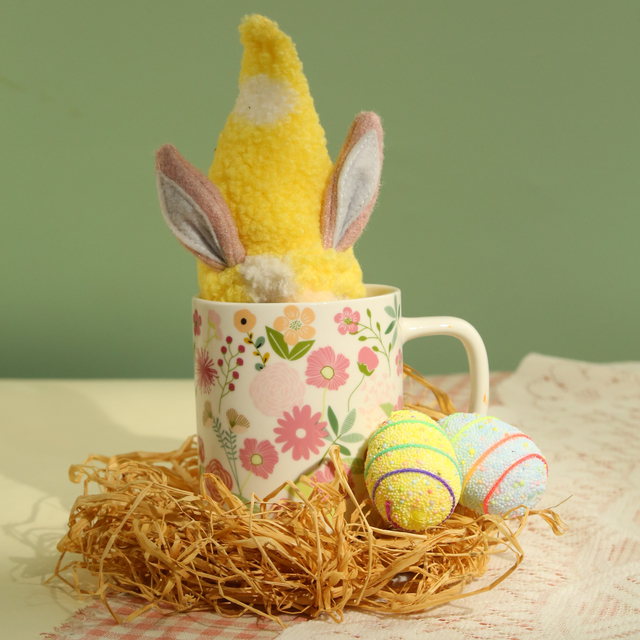
Using microwave-safe ceramic Easter mugs offers several advantages that enhance your holiday celebrations and everyday routines. These mugs combine practicality, style, and safety, making them a popular choice for families, gift-givers, and coffee lovers alike.
One of the biggest benefits is convenience. Microwave-safe ceramic mugs allow you to heat your beverages directly in the mug without transferring them to another container. This saves time, reduces cleanup, and minimizes the risk of spills. During busy mornings or when hosting guests, being able to quickly reheat coffee, tea, or hot chocolate in the same mug simplifies your routine.
High-quality ceramic mugs designed for microwave use are built to last. They withstand repeated heating without cracking, warping, or leaching harmful substances. This durability ensures your mug remains a reliable part of your kitchenware for years, especially if you follow proper care guidelines like avoiding sudden temperature changes and inspecting for damage regularly.
Easter-themed ceramic mugs often feature vibrant colors, cute designs, and seasonal motifs. When labeled as microwave-safe, you can enjoy these decorative pieces without worry. They add a festive touch to your table, brighten your mornings, and make for thoughtful gifts. Many brands now offer durable, stylish options that blend fun and function seamlessly.
Using microwave-safe ceramic Easter mugs elevates your holiday experience. You can prepare and serve hot drinks easily during family gatherings, egg hunts, or brunches. Their safety features encourage everyone to enjoy their beverages comfortably, knowing there's minimal risk of accidents or damage. Plus, these mugs can become keepsakes that remind you of joyful moments each year.
Ease of Use: Reheat beverages without transferring to other containers.
Safety Assurance: Reduced risk of cracking, leaching, or sparks.
Versatility: Suitable for hot drinks, soups, or even warming baby bottles.
Aesthetic Appeal: Festive designs that match holiday themes.
Cost-Effective: Long-lasting with proper care, reducing the need for frequent replacements.
Choosing microwave-safe ceramic Easter mugs combines safety, style, and convenience. They make your celebrations more enjoyable and stress-free. Plus, they’re a practical investment for everyday use, ensuring you can savor your favorite hot beverages safely and in style.
Tip: Always verify the microwave-safe label and inspect your mug regularly to ensure it remains in good condition for safe heating.
When it comes to warming your favorite beverages, there are several options beyond using a microwave. Each method offers different advantages in terms of safety, convenience, and control over temperature. Understanding these alternatives can help you choose the best way to heat your ceramic mug while preserving its integrity and ensuring safety.
One of the simplest and most traditional methods is heating water on the stovetop or with an electric kettle. You can boil water separately, then pour it into your ceramic mug. This method allows precise control over the temperature, reducing the risk of overheating or damaging the mug. Plus, it’s quick and effective for warming up drinks like coffee, tea, or hot chocolate.
Steps to follow:
Boil water using your stove or electric kettle.
Carefully pour the hot water into your ceramic mug.
Let it sit for a minute or two to warm the contents evenly.
Stir gently if needed, then enjoy your hot beverage.
This method is especially useful if your mug isn’t microwave-safe or if you prefer avoiding microwave radiation altogether.
Electric beverage warmers or mug warmers are handy devices designed specifically for keeping drinks hot. They work by gently maintaining a consistent temperature, preventing your beverage from cooling down. These warmers are safe for ceramic mugs because they don’t subject the mug to direct heat but instead warm it from below.
Advantages:
Keeps drinks hot for extended periods.
No risk of cracking or damaging the mug.
Easy to use — just plug in, place your mug, and turn on.
Considerations:
Ideal for office or home use.
Not suitable for reheating large quantities or boiling water.
| Method | Convenience | Safety | Best For |
|---|---|---|---|
| Microwave | Very quick, simple | Moderate risk if not careful | Reheating small amounts quickly |
| Stovetop / Electric Kettle | Slightly longer, involves steps | Very safe, control over heat | Warming beverages without microwave use |
| Mug Warmers | Moderate, steady heat | Very safe, minimal risk | Keeping drinks hot during long periods |
Microwave heating remains the fastest and most convenient, especially during busy mornings or when hosting guests. However, using stovetop or electric kettles provides more control, reducing potential risks associated with microwave misuse. Mug warmers excel in maintaining temperature but aren’t ideal for initial heating or boiling.
Always handle hot water carefully to avoid burns.
Use heat-resistant, microwave-safe mugs for reheating.
Avoid overfilling mugs to prevent spills or burns.
Ensure your mug is free from cracks or chips before heating.
Never leave heating devices unattended for safety.
By understanding these alternatives, you can enjoy your favorite hot drinks safely and comfortably, whether at home or in the office. Each method offers benefits suited to different situations, helping you choose what works best for your lifestyle and your ceramic mug's durability.
Ceramic mugs vary in microwave safety, depending on materials and glaze quality. To safely enjoy Easter with ceramic mugs, inspect for damage and avoid metallic accents. Opt for high-quality ceramic products to ensure safety and durability. A GIFT FOR YOU offers stylish, microwave-safe ceramic mugs, enhancing your holiday celebrations with convenience and peace of mind. These mugs are designed for long-lasting use, combining practicality and festive appeal, making them a valuable addition to your kitchenware collection.
A: Yes, most Ceramic Easter Mugs are microwave safe, but always check for labels indicating microwave safety to ensure they can withstand heat without damage.
A: Fill the mug halfway with water, microwave for 30 seconds, and check if the mug remains cool while the water heats. If the mug is hot, it may not be microwave safe.
A: Metallic decorations can cause sparks or arcing in the microwave, leading to damage or fire hazards. Choose Ceramic Easter Mugs without metallic accents for safe microwaving.
A: They offer convenience, durability, and festive appeal, allowing you to heat drinks directly in the mug without transferring, while ensuring safety and style.
A: Look for cracks, chips, or metallic glazes, and check for microwave-safe labels. Avoid mugs with damage or metallic accents to prevent hazards.
