
A GIFT FOR YOU CO., LTD
- All
- Product Name
- Product Keyword
- Product Model
- Product Summary
- Product Description
- Multi Field Search
 English English
 Views: 0 Author: Site Editor Publish Time: 2025-10-29 Origin: Site


Ever wondered why coffee cup sizes vary so much? It's not just about aesthetics; they impact your coffee experience. Understanding the importance of coffee cup sizes can enhance your enjoyment and satisfaction. In this post, you'll learn about the common confusion regarding how many ounces are in a Christmas Coffee Cup and explore the factors influencing these variations.
When it comes to coffee, the term "standard" can be a bit misleading because cup sizes vary around the world. However, in the United States, a typical standard coffee cup holds about 6 ounces of liquid. This measurement is often used as a reference point for serving hot beverages like coffee, tea, or hot chocolate. It’s important to note that many coffee shops and manufacturers also use 8-ounce cups as their standard size, especially for takeaway or retail purposes.
Understanding how a coffee cup compares to other measurements helps clarify its size. Here are some key comparisons:
1 cup (US standard) = 8 ounces (oz) = 240 milliliters (ml)
A typical coffee cup served in cafes is often 6 oz, which leaves space for cream, sugar, or foam.
Espresso shots are much smaller, usually 1 oz (30 ml), designed for concentrated flavor.
Mugs tend to be larger, ranging from 10 oz to 15 oz, catering to those who prefer more caffeine or a larger drink.
Travel mugs generally hold 16 oz or more, ideal for on-the-go consumption.
The variation in cup sizes stems from regional preferences, the type of beverage, and the setting. For instance:
European cups tend to be smaller, often around 2 to 4 oz for espresso, with larger mugs for other drinks.
American mugs have grown over time, with sizes reaching 10 oz, 12 oz, or even 20 oz for oversized drinks.
Specialty coffee shops may offer a range of sizes to cater to different customer needs.
For café owners and baristas, knowing the standard measurements is essential. It ensures consistency in serving sizes, helps with portion control, and maintains customer satisfaction. When designing your menu, consider the typical drink sizes your customers prefer. Using standardized sizes also simplifies inventory management, pricing, and training staff. While there is no universal "one size fits all" for coffee cups, the most common standard in the U.S. is around 6 to 8 ounces. Being aware of these measurements helps you provide a better experience, manage costs, and craft the perfect cup every time.
When it comes to coffee, size preferences differ significantly between regions. In the United States, coffee cups tend to be larger, reflecting a culture of larger servings and on-the-go consumption. Typical American coffee cups range from 8 to 16 ounces, with some travel mugs holding up to 20 ounces or more. For example, popular coffee chains like Starbucks offer sizes such as Tall (12 oz), Venti Hot (20 oz), and Trenta (31 oz), catering to those who want a substantial caffeine boost.
In contrast, European coffee culture favors smaller, more concentrated servings. Espresso, a staple in many European countries, is usually served in demitasse cups holding about 2 to 3 ounces (60-90 ml). These smaller sizes emphasize the strength and richness of the coffee, often enjoyed slowly and in small quantities. Larger European mugs for traditional brews like café au lait or cappuccino tend to be smaller than their American counterparts, typically around 5 to 6 ounces.
This difference stems from cultural attitudes toward coffee consumption. Americans often view coffee as a beverage to sip throughout the day, leading to larger cups and takeaway options. Europeans, meanwhile, see coffee as a more social or ritualistic experience, preferring smaller, more intense drinks.
Beyond the US and Europe, many countries have their own standards for coffee cup sizes, influenced by local customs, brewing methods, and measurement systems.
Japan: Defines a standard cup as exactly 200 milliliters (about 6.8 oz). However, traditional Japanese cups for tea or coffee are often smaller, around 180 ml.
Latin America: Typically uses cups ranging from 200 to 250 ml (roughly 6.8 to 8.4 oz). Coffee is often brewed strong and served in smaller portions, especially in countries like Colombia and Brazil.
Australia and Canada: Usually follow the American standard of 8 to 10 ounces for regular cups, but specialty cafes may serve larger sizes up to 16 oz.
Turkey and Middle East: Coffee is often served in small cups similar to espresso, around 2 to 3 oz, emphasizing the strong flavor and social aspect.
These regional differences influence not just the physical size of cups but also how coffee is prepared, served, and enjoyed. For café owners, understanding these variations can help tailor offerings to local tastes or expand their menu to appeal to international customers.
In summary, coffee cup sizes are far from universal. They reflect cultural habits, brewing traditions, and measurement standards. Recognizing these differences allows businesses to better meet customer expectations, ensuring satisfaction whether serving a quick espresso or a large iced coffee.
When it comes to enjoying coffee, the size of your cup can make a big difference in your experience. Different coffee chains have their own standard sizes, designed to cater to various preferences and drinking habits. Here’s a breakdown of what you can expect at some of the most popular coffee shops across North America.
Dunkin’ Donuts offers four main cup sizes, making it easy for customers to pick the right amount of coffee for their day:
Small: 10 oz (296 ml)
Medium: 14 oz (414 ml)
Large: 20 oz (590 ml)
Extra Large: 24 oz (710 ml)
These sizes are designed to suit quick pick-me-ups or longer sipping sessions. The 10 oz small is perfect for a quick espresso or a single shot, while the 24 oz extra large is ideal for those who want a substantial caffeine boost.
Starbucks is known for its extensive range of sizes, with six options that cater to different drinking styles:
Short: 8 oz (240 ml) — (Note: This size is being phased out but still available in some locations)
Tall: 12 oz (350 ml) — The classic “small” in Starbucks terms, popular for lattes and brewed coffee.
Grande: 16 oz (470 ml) — A favorite for most hot and cold drinks.
Venti Hot: 20 oz (590 ml) — Larger hot drinks for those needing more caffeine.
Venti Cold: 24 oz (710 ml) — Cold beverages like iced coffee or cold brew.
Trenta: 31 oz (920 ml) — The largest size, mainly for iced drinks, perfect for long-lasting refreshment.
Starbucks' sizes are designed to give options for quick sips or extended enjoyment, especially with their Venti and Trenta options for cold drinks.
Tim Horton’s, a popular Canadian chain, offers sizes similar to Dunkin’ Donuts, focusing on straightforward options:
Small: 10 oz (296 ml)
Medium: 14 oz (414 ml)
Large: 20 oz (590 ml)
Extra Large: 24 oz (710 ml)
These sizes are familiar to many North American consumers, providing a range from a quick espresso shot to a large, satisfying cup. Most coffee shops offer a variety of sizes to suit different needs. Dunkin’ Donuts and Tim Horton’s keep it simple with four main options, while Starbucks provides a broader spectrum to cater to all preferences. Understanding these sizes helps both customers and business owners manage expectations and ensure satisfaction. Whether you want a small boost or a giant cup to last all day, these popular chains have you covered.
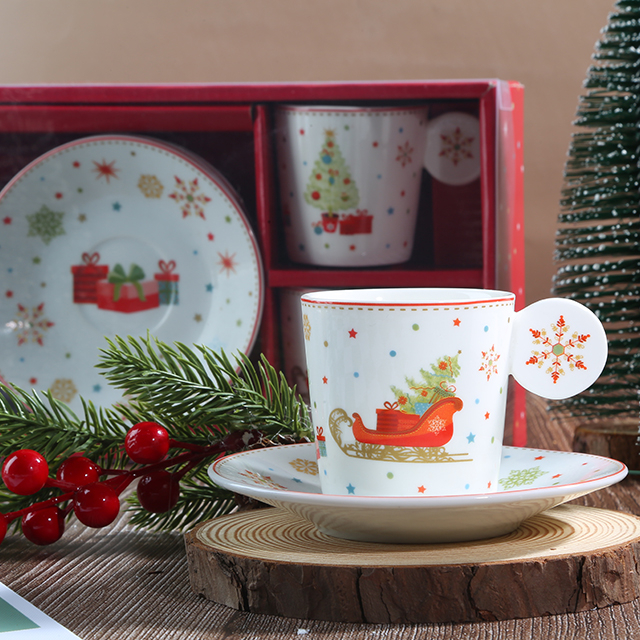
Choosing the right coffee cup size isn't just about aesthetics or tradition; it plays a vital role in customer satisfaction and your business's efficiency. Several factors come into play when deciding which sizes to offer, and understanding these can help you serve your customers better while maintaining profitability.
Customer preferences vary widely based on individual habits, cultural background, and the type of coffee they enjoy. Some customers want a quick caffeine boost, preferring smaller cups like 6 or 8 ounces, especially for espresso shots or strong brews. Others might seek larger sizes, such as 16 or 20 ounces, to sip throughout the day. Offering a range of sizes allows you to cater to these diverse needs, ensuring that each customer leaves satisfied.
It's also important to consider the experience you want to create. For example, a specialty café might emphasize artisanal, smaller servings to highlight quality and flavor. Conversely, a busy takeaway spot might prioritize larger cups for convenience and value. Listening to customer feedback can help you adjust your offerings to meet their expectations.
Portion control directly impacts your costs and waste reduction. Serving the right amount of coffee per cup ensures consistency, which builds trust and loyalty. If cups are too large for the beverage inside, heat loss accelerates, and the drink may become less enjoyable. Too small, and customers might feel shortchanged, leading to dissatisfaction.
From a business perspective, selecting appropriate cup sizes helps manage inventory and reduce waste. For instance, using 8 oz cups for standard lattes or 12 oz for larger drinks ensures you’re not over-serving or under-serving. This balance minimizes excess waste, lowering costs, and boosting profit margins.
Additionally, offering multiple sizes can support pricing strategies. Smaller cups can be priced higher per ounce, emphasizing quality, while larger cups offer perceived value, encouraging bigger sales. Proper size selection also helps in portioning ingredients like coffee grounds and milk, ensuring consistency and controlling costs.
Analyze your most popular drinks and their typical serving sizes.
Offer a variety of sizes to accommodate different customer needs.
Use customer feedback to refine your options regularly.
Balance size offerings with cost considerations to optimize profitability.
Ensure serving sizes align with your brand image—luxury, quick service, or artisanal.
By carefully considering customer preferences and implementing effective portion control, you can enhance satisfaction, reduce waste, and improve your bottom line. These factors are essential for creating a successful, customer-focused coffee business.
The story of why a typical coffee cup holds about 6 ounces isn’t entirely clear, but several theories exist. One popular idea traces back to the early days of beverage measurements. During the late 19th and early 20th centuries, the standard for many drinks, including cocktails and soda bottles, was around 6 ounces. This size was practical—small enough to serve as a single portion, yet substantial enough to satisfy thirst.
Another theory points to the rise of coffee brewing technology. In the 1970s, Mr. Coffee introduced the first home coffee maker that used about 5 ounces of water per brew cycle. Over time, this measurement increased slightly to 6 ounces, becoming a convenient standard in the United States. This shift aligned with the growing popularity of coffee as a daily staple, especially as coffee machines became more common in homes and workplaces.
Historically, the 6 oz size also aligns with the traditional American “cup” measure, which was often used in recipes and serving sizes. It was a manageable amount—enough to provide a satisfying drink without being wasteful or too large for a single serving.
As coffee culture evolved, so did the sizes of cups and mugs. In the early days, many coffee cups were smaller, around 4 to 6 ounces, emphasizing the beverage’s strength and flavor. These smaller cups suited European traditions, where coffee was often enjoyed slowly, savoring its richness.
In America, the trend shifted toward larger cups. By the mid-20th century, mugs and to-go cups started to grow in size—10, 12, and even 16 ounces. This change reflected a cultural shift toward more casual, on-the-go coffee drinking. People wanted larger quantities, often to sustain them through busy mornings or long workdays.
The standard 6-ounce measure, however, remains influential. Many specialty coffee shops and cafes still use it as a baseline for serving espresso shots, small brews, or as a reference point for menu sizes.
Today, the size of a coffee cup varies widely depending on regional customs and the type of coffee. But understanding the origins of the 6 oz standard helps clarify why many cups and recipes are based on this familiar measurement. It also highlights how coffee consumption has grown from a small, concentrated drink to a variety of sizes to meet different needs.
When selecting the ideal coffee cup size for your café, several factors come into play. First, think about your customer base. Do they prefer quick, strong shots of espresso or larger, leisurely drinks? Understanding their preferences helps determine which sizes will best satisfy their needs. For example, offering 6 oz espresso cups for concentrated shots and 12 oz or 16 oz mugs for larger drinks caters to different tastes.
Next, consider the type of drinks you serve most often. If your menu features mainly small, intense brews, smaller cups make sense. For cafes focusing on specialty or artisanal coffees, smaller servings emphasize quality and flavor. Conversely, if you attract customers looking for a caffeine boost to last hours, larger cups or travel mugs are more appropriate.
Portion control is also vital. Properly sized cups help maintain consistency, avoid waste, and manage costs. Serving a 12 oz latte in a 20 oz cup can lead to heat loss, dilution, or customer dissatisfaction. On the other hand, using a smaller cup for a large drink might make it feel insufficient.
Finally, think about the physical aspects of your cups. They should fit comfortably under your espresso machine’s spout, be durable enough to handle hot liquids, and have heat-retaining features like double walls or insulating materials. The right size and material contribute to a better customer experience and efficient service.
Custom branding elevates your café’s identity and creates lasting impressions. Custom coffee cups with your logo, colors, and design reinforce brand recognition every time a customer takes a sip. It’s an effective marketing tool that turns your cups into walking advertisements.
You can choose to customize the size, shape, and material of your cups. Unique shapes or sizes can make your brand stand out from competitors. For instance, a café specializing in small, concentrated espresso shots might opt for sleek demitasse cups with your logo etched on the side. Alternatively, larger, personalized travel mugs can appeal to busy customers on the go.
Beyond size and shape, branding extends to printing. High-quality custom printing allows you to showcase your logo, tagline, or promotional messages. This not only enhances aesthetics but also builds brand loyalty. When customers see your branding on their cups, they associate it with quality and consistency.
Custom packaging options, such as branded sleeves, lids, or boxes, further strengthen your brand image. These elements can be tailored to match your décor or marketing theme, creating a cohesive look.
Investing in custom cups and branding solutions also offers flexibility. You can experiment with different sizes for seasonal drinks or special promotions, then adjust your branding accordingly. This adaptability helps keep your offerings fresh and engaging.
In summary, selecting the right cup size combined with customized branding ensures your café provides excellent customer experiences while promoting your business effectively. It’s a smart strategy that aligns operational needs with your brand’s visual identity.
Coffee cup sizes vary greatly, with common U.S. standards being 6 to 8 ounces. Understanding these variations is crucial for ensuring customer satisfaction. Offering a range of sizes meets diverse preferences, enhancing the customer experience. For café owners, selecting the right cup size is vital for maintaining consistency and managing costs effectively. Customizing cups for branding strengthens identity and promotes the business. A GIFT FOR YOU offers unique coffee cup solutions that align operational needs with brand identity, ensuring a memorable customer experience.
A: The standard size of a Christmas Coffee Cup Coffee Cup in the U.S. is typically 6 to 8 ounces.
A: A Christmas Coffee Cup Coffee Cup is usually smaller, around 6 to 8 ounces, compared to regular mugs that range from 10 to 15 ounces.
A: European Christmas Coffee Cup Coffee Cup sizes are smaller, often 2 to 4 ounces, emphasizing strong, rich flavors.
A: Yes, a Christmas Coffee Cup Coffee Cup can be used for espresso shots, but it may be larger than the typical 1-ounce espresso serving.
